The Cycle Period Comfort Botanical Drink: A Caffeine-Free Can for Period Week
Three leaf herbs, a mountain of sea buckthorn, and zero caffeine for period week
Founded by former Snapchat product director Anastasia Sartan, The Cycle built its period-week can on 25,000mg of organic sea buckthorn puree.
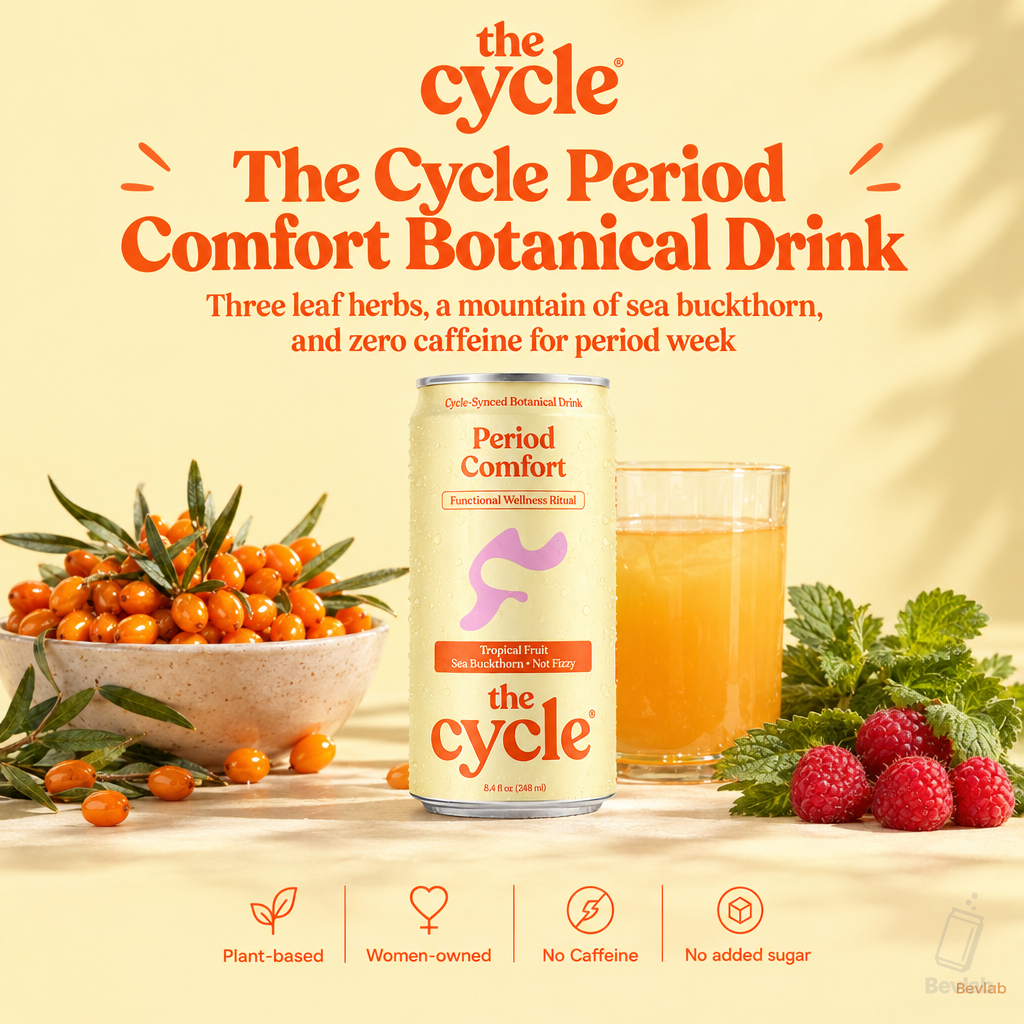
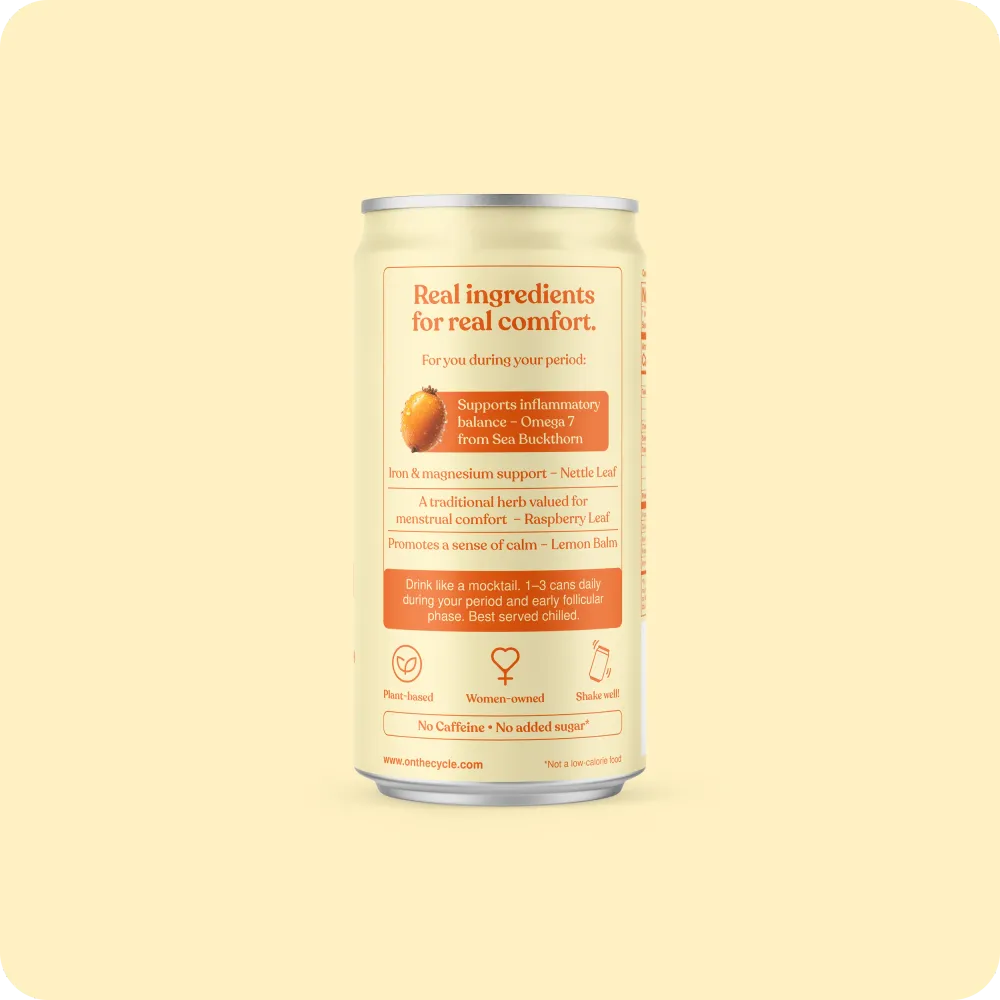
The Cycle is a women-owned beverage brand from Los Angeles that organizes its drinks around the menstrual cycle instead of the time of day. The Cycle Period Comfort Botanical Drink is its can for period week. The base is organic sea buckthorn puree, a tart orange berry the brand promotes as its omega-7 source, with three organic leaf extracts layered on top.
Founder and CEO Anastasia Sartan, previously a Director of Product at Snapchat, started The Cycle as her own monthly ritual before it became a product line. Basil Beshkov, who used to run product development at Health-Ade Kombucha, advises on formulation. Monk fruit and apple juice concentrate sweeten the can, and it's non-sparkling, caffeine-free, and has 0g added sugar. The brand suggests sipping it chilled like a mocktail during your period. The research on these herbs fits a wellness-ritual pitch better than a promise of relief, and the ingredient breakdown below explains why.
The Cycle Period Comfort Botanical Drink Nutrition Facts
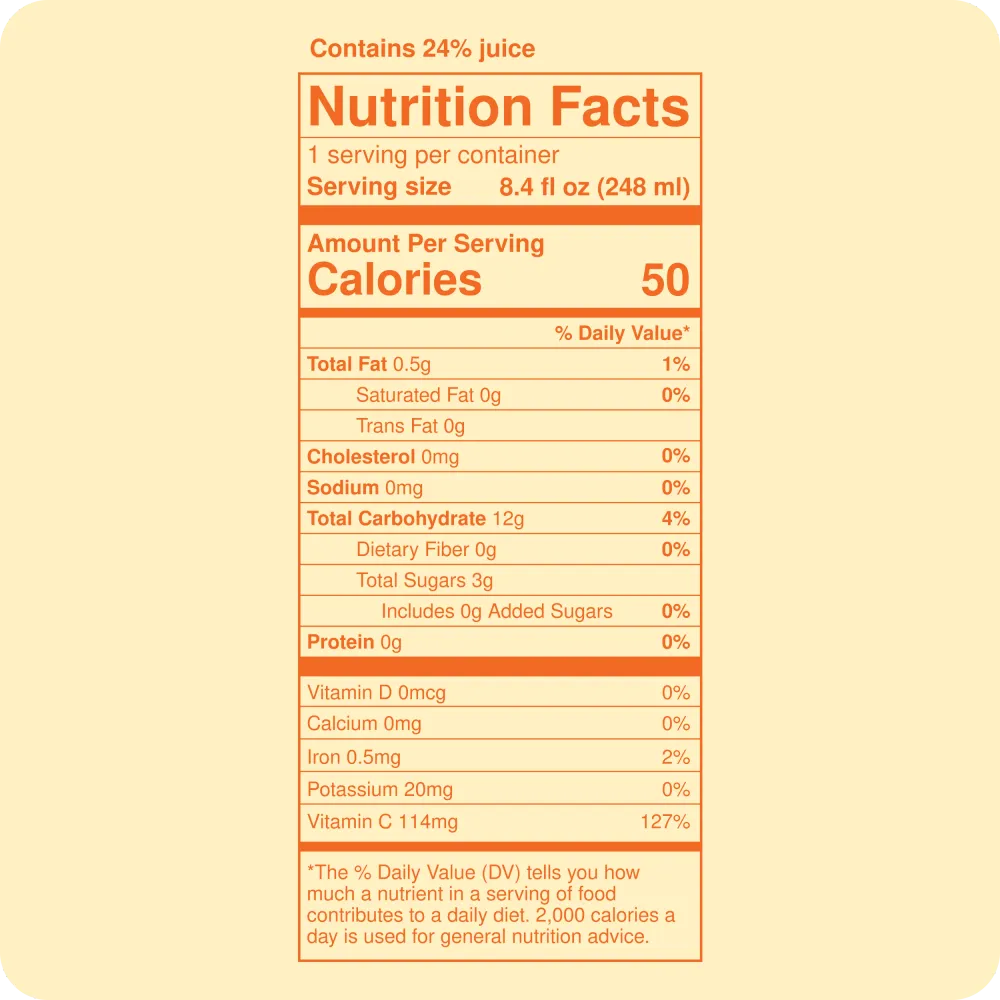
One 8.4 fl oz (248mL) can is one serving:
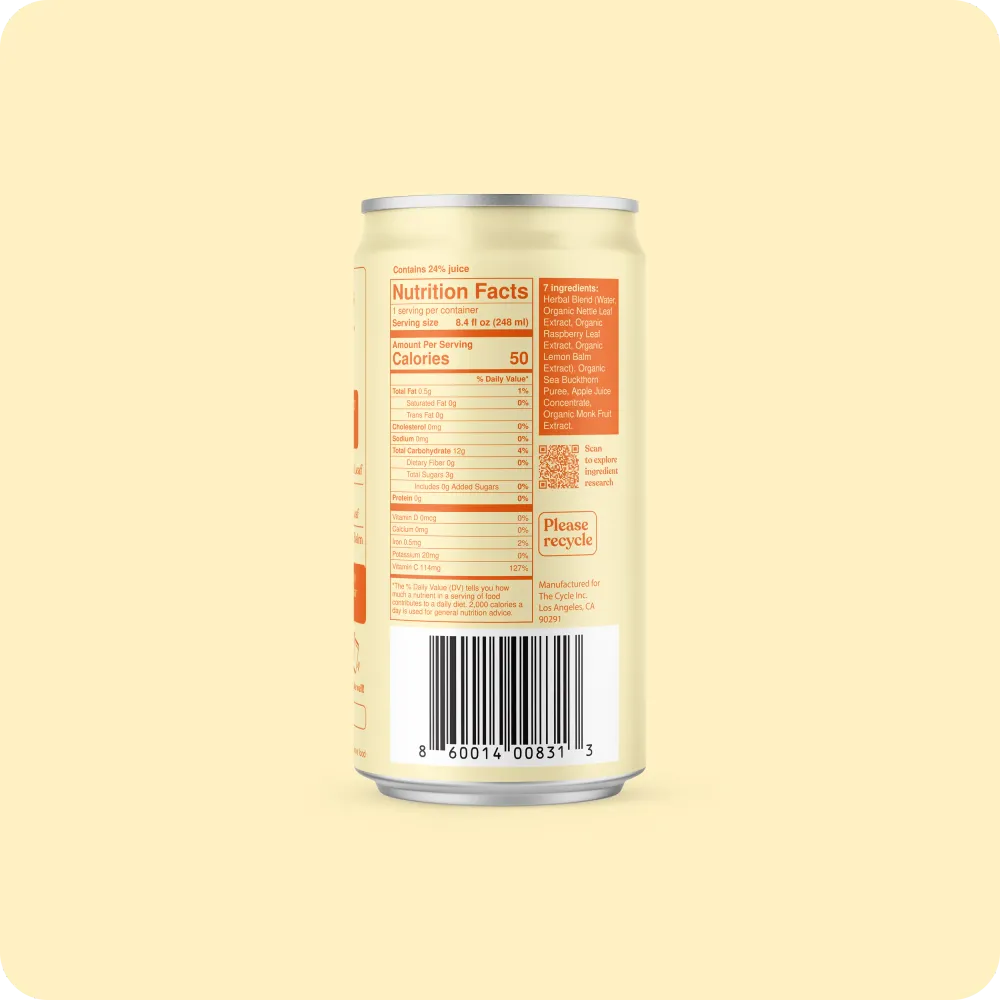
- Calories: 50
- Total Fat: 0.5g (1% DV)
- Total Carbohydrate: 12g (4% DV)
- Dietary Fiber: 0g (0% DV)
- Total Sugars: 3g
- Added Sugars: 0g (0% DV)
- Protein: 0g
- Vitamins and Minerals
- Sodium: 0mg (0% DV)
- Potassium: 20mg (0% DV)
- Iron: 0.5mg (2% DV)
- Vitamin C: 114mg (127% DV)
With 50 calories and 3g of total sugar, this is closer to a lightly sweetened iced tea than a juice. The row that stands out is vitamin C at 127% DV, even though no added vitamin C appears in the ingredient list. That gets its own section below.
The Cycle Period Comfort Botanical Drink Ingredients
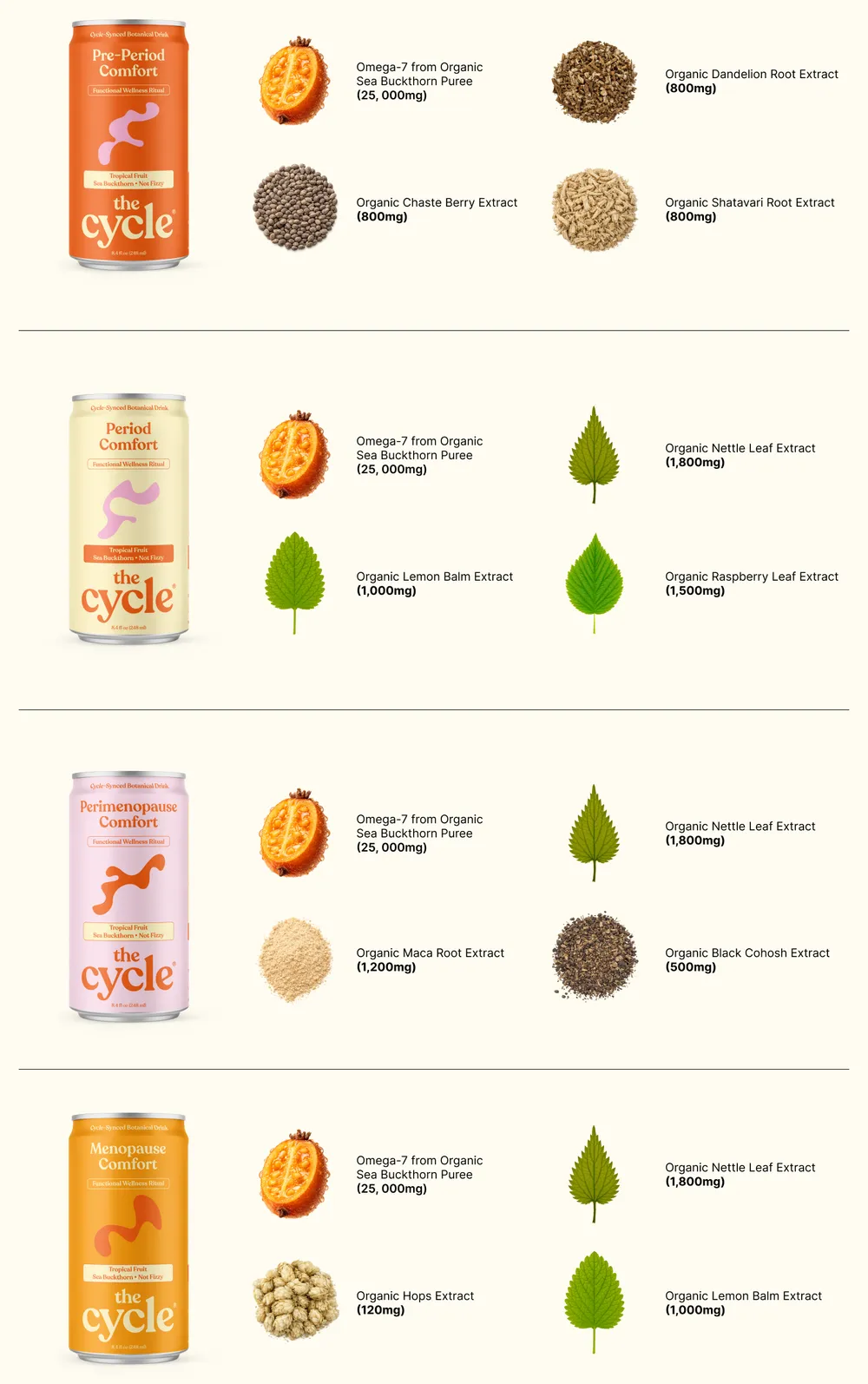
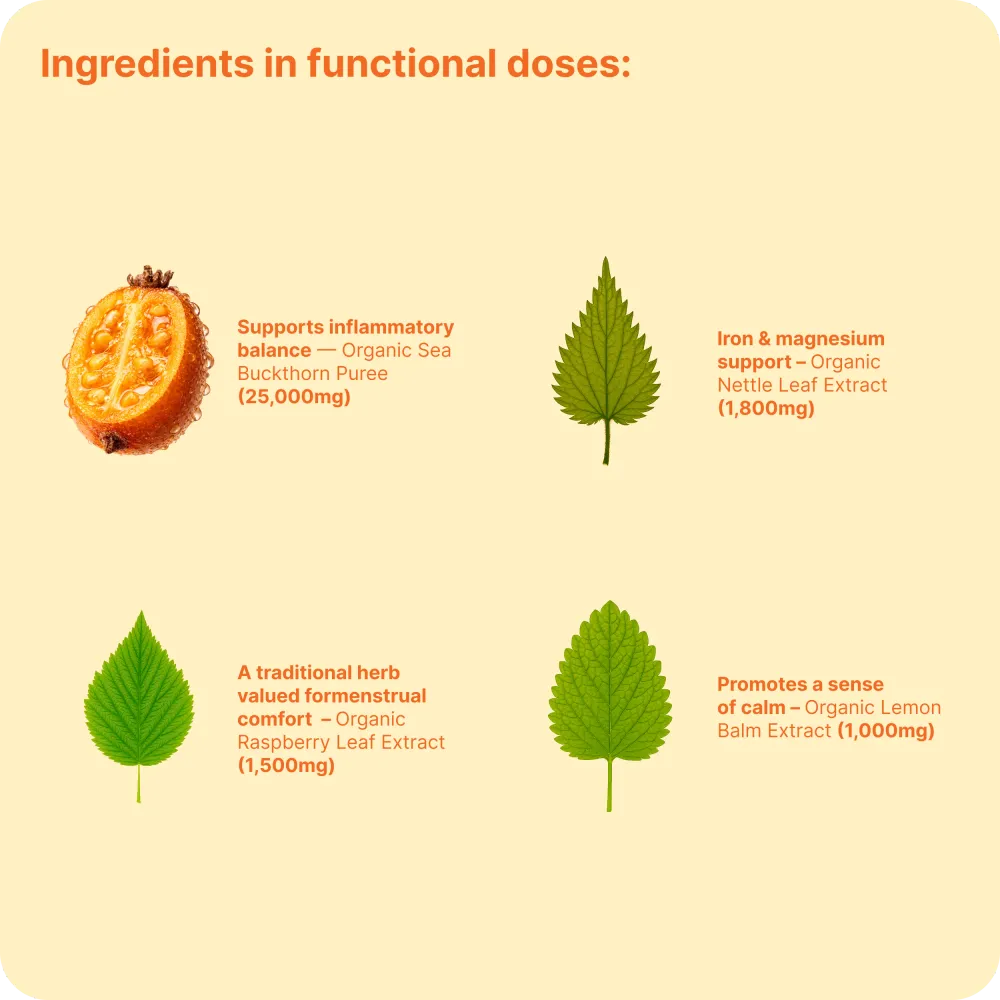
The ingredient statement groups the water and three leaf extracts as a "Herbal Blend." The Cycle still discloses the amount of each herb, so no dose is hidden behind a blend total. Each 8.4 fl oz (248mL) can provides the following key actives:
-
Sea Buckthorn (as Organic Puree) - 25,000mg
Sea buckthorn (Hippophae rhamnoides) is a sour orange berry, and at the 25g The Cycle discloses per can, it's the biggest dose in the formula. The berry contains water-soluble compounds such as vitamin C and flavonols, plus fat-soluble fatty acids, carotenoids, and tocopherols. Its makeup changes with growing region and processing.[1] The omega-7 the brand promotes is palmitoleic acid. It was about a quarter of the pulp oil analyzed in one Finnish trial.[2] Puree isn't oil, though, so the oil studies don't map neatly onto a drink.
The closest human match is a 2025 trial in 60 premenopausal women with temporary fatigue. Drinking 30mL/day of sea buckthorn juice for eight weeks improved mood-disturbance and fatigue scores compared with a control juice, and hemoglobin and ferritin went up.[3] Stable menstrual cycles were an entry requirement in that study, not an outcome, so it says nothing about cramps or PMS.
Puree trials have produced mixed results. At 90mL/day, puree produced a small shift in fasting glucose in people with impaired glucose regulation.[4] The same daily amount didn't lower cholesterol in adults with high cholesterol over 90 days.[5] The 25g of puree The Cycle discloses per can is close in weight to the 28g/day of berries used in a three-month Finnish trial. That amount didn't prevent colds but produced a very small drop in the inflammation marker CRP.[6]
-
Nettle Leaf (as Organic Extract) - 1,800mg
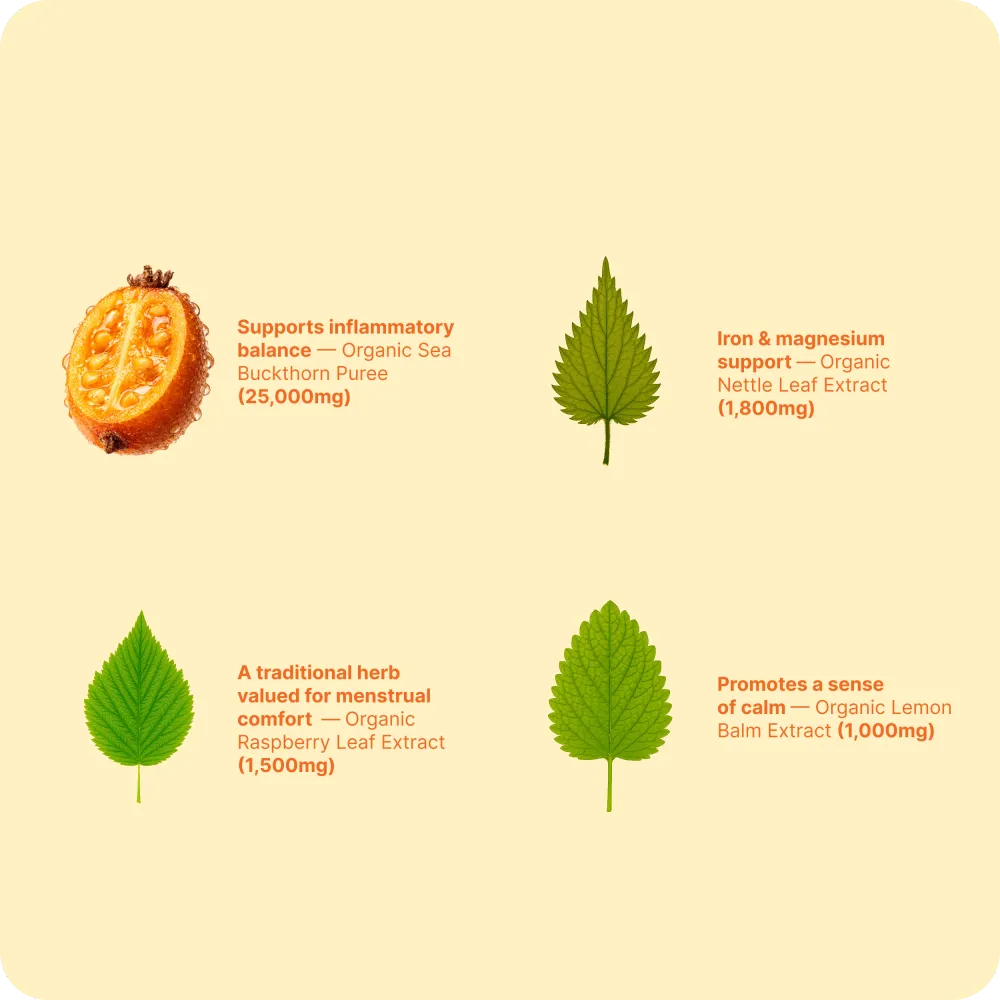
Nettle leaf comes from Urtica dioica, the stinging nettle. The leaf has a long history as food, eaten as a cooked green or made into juice and tea. It contains phenolic acids such as caffeoylmalic acid, along with flavonoids, carotenoids, and minerals.[7,8] Herbal tradition links the leaf to heavy periods and premenstrual fluid retention, but that's traditional use, not trial data.[8]
The Cycle markets nettle for iron and magnesium support. The can's Nutrition Facts list 0.5mg of iron (2% DV) and no magnesium row. Nutrient values measured in whole leaves also can't tell you what a given extract delivers.[7]
The human trials mostly measure inflammation markers. In a 12-week trial of 64 people with inflammatory bowel disease, 400mg of leaf extract three times daily lowered hs-CRP and improved quality-of-life scores compared with placebo.[9] Healthy volunteers who took a leaf extract for three weeks also had smaller lab-stimulated TNF-α responses in their blood samples.[10] The 1,800mg The Cycle discloses per can is above the 1,200-1,500mg/day extract amounts used in the clinical trials, but different extracts aren't interchangeable.[9,11]
One caution: in a three-month trial, nettle extract added to diabetes medication lowered blood sugar further.[11] If you take glucose-lowering drugs, check with your doctor first.
-
Red Raspberry Leaf (as Organic Extract) - 1,500mg
Red raspberry leaf (Rubus idaeus) is best known as a pregnancy tea. Its main compounds are ellagitannins.[12] The Cycle calls it a traditional herb for menstrual comfort, which accurately describes how people use it. The clinical evidence is thinner.
Lab studies show some effect on smooth muscle. Selected leaf fractions relaxed guinea-pig intestinal tissue in vitro.[13] On rat uterine tissue, the result depended on the preparation, ranging from stronger contractions to weaker ones.[14] Neither study measured cramps in people.
The best adult trial outside pregnancy tested 200mg or 400mg/day of a standardized leaf extract for 12 weeks in people with knee osteoarthritis. The main pain score didn't beat placebo, although the 400mg group improved on a secondary walking-pain measure.[15] No trial in this body of research directly tests period pain or PMS.
Most of the research is in pregnancy, and the results are mixed. In a trial of 192 women, 2.4g/day of leaf tablets late in pregnancy didn't significantly shorten labor.[16] A Norwegian survey linked raspberry leaf use to more caesarean deliveries, though that's an association, not proof.[17] A case report also describes low blood sugar in an insulin-treated woman with gestational diabetes after she drank the tea.[18] In lab tests, raspberry leaf extract blocked several liver enzymes that break down common medications.[19]
-
Lemon Balm (as Organic Extract) - 1,000mg
Lemon balm (Melissa officinalis) is a lemon-scented herb in the mint family with a long history in European and Middle Eastern folk medicine.[20] Its best-studied compounds include rosmarinic acid and citral. Animal research suggests it affects GABA signaling, the brain's main calming system.[21]
Of the four actives, lemon balm has the strongest human research. A 2021 meta-analysis of randomized trials in people with anxiety or depressive symptoms found that lemon balm improved both compared with placebo. The authors noted that results varied a lot between studies.[22] In a 3-week trial of 100 healthy adults with moderate stress or poor sleep, 400mg/day of one specific extract improved mood, stress, and wellbeing scores with no serious side effects.[23]
The dose matters. In a single-dose crossover study, 300mg raised self-rated calmness early on, while 900mg lowered self-rated alertness at every time point.[24] The 1,000mg The Cycle discloses per can is a different extract, so those results don't transfer directly. Still, the research points toward calming rather than energizing, which matters at the brand's suggested maximum of three cans a day. None of these trials measured menstrual symptoms.
-
Vitamins and Minerals
-
Vitamin C - 114mg (127% DV)
Vitamin C covers more than a full day's Daily Value in one can. The ingredient statement doesn't list any added vitamin C, so it comes from the food ingredients, and sea buckthorn berries are a well-known vitamin C source. Vitamin C supports normal immune function and helps your body absorb iron from plant foods, which suits a formula that pitches nettle for iron.
-
-
Sweeteners and Flavors
-
Monk Fruit Extract
Monk fruit extract comes from Siraitia grosvenorii, a vine fruit grown mainly in southern China. Its sweetness comes from mogrosides, which are hundreds of times sweeter than sugar and add essentially no calories.[25] It has GRAS status in the U.S. under multiple FDA notices. European regulators have asked for more long-term data before approving it as a food additive there.[25] The Cycle doesn't disclose the amount.
-
Apple Juice Concentrate
Apple juice concentrate adds fruit body and some natural sweetness. The label shows 0g added sugars and 3g total sugars per can, so it's there for flavor more than sugar. The amount isn't disclosed.
-
-
Other Ingredients
- Water - The base of the herbal blend and most of what's in the can.
One Can in a Four-Drink Cycle
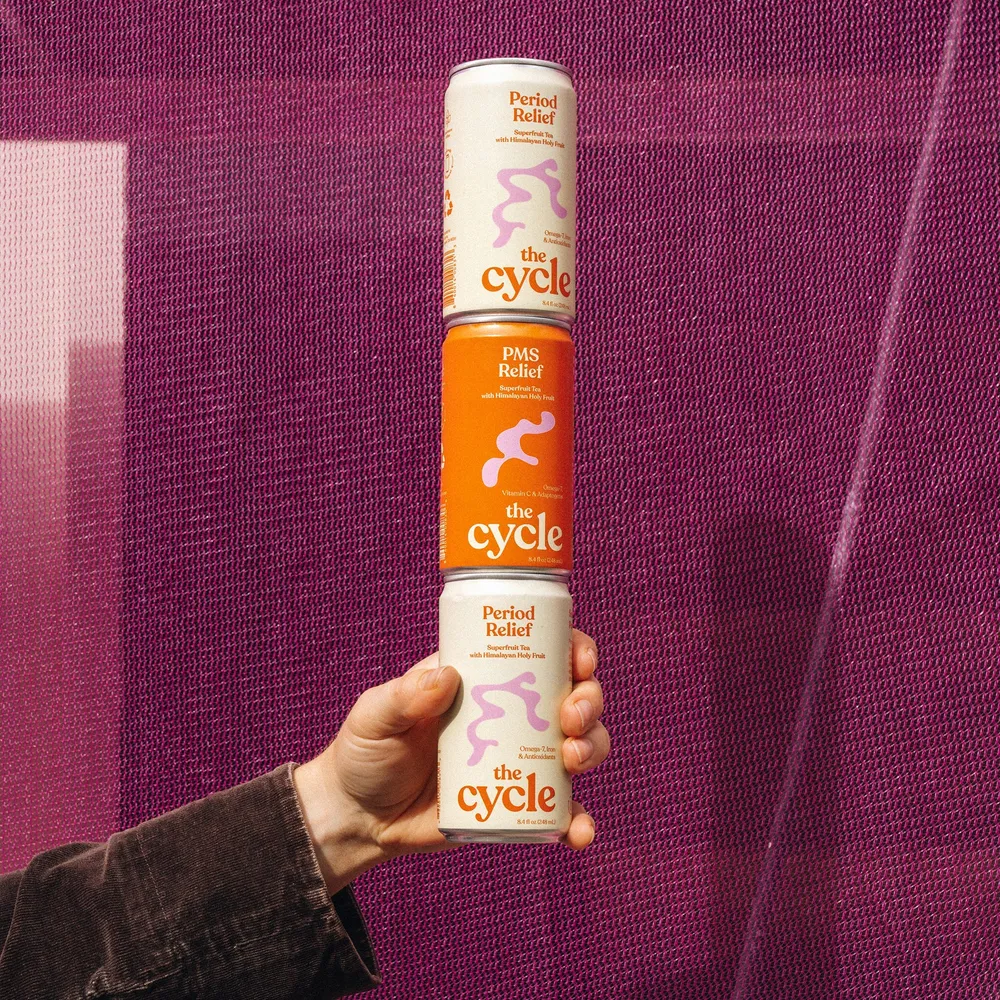
The Cycle designed Period Comfort as one part of a four-drink system. Pre-Period Comfort covers the week before your period. Period Comfort covers bleeding days and the early follicular phase. Perimenopause Comfort and Menopause Comfort cover later life stages. All four use the same sea buckthorn, apple juice concentrate, and monk fruit base and change the herbs. For example, the pre-period can uses chaste berry, shatavari, and dandelion root. The brand suggests 1-3 cans a day during your period, served chilled. Because it's non-sparkling by design, it drinks more like an iced herbal tea than a soda.
Check Before Making It Daily
Some people should talk to a clinician before drinking this regularly: anyone who is pregnant or breastfeeding, anyone on glucose-lowering medication, and anyone taking drugs processed by the liver. Nettle and raspberry leaf have both shown effects on blood sugar, and raspberry leaf blocked drug-processing enzymes in lab tests. The brand gives similar advice about pregnancy and medications.
A Calm Can, Not a Cure
Period Comfort suits people who want a caffeine-free, low-sugar ritual drink for period week and want to see how much of each herb they're getting. Lemon balm has the strongest calming evidence, but no research tests these herbs for menstrual symptoms, so treat it as a comforting habit, not a fix for cramps.
References
- Ciesarová, Zuzana, et al. "Why is sea buckthorn (Hippophae rhamnoides L.) so exceptional? A review." Food research international (Ottawa, Ont.), 2020. https://doi.org/10.1016/j.foodres.2020.109170
- Yang, B, et al. "Effects of dietary supplementation with sea buckthorn (Hippophaë rhamnoides) seed and pulp oils on atopic dermatitis." The Journal of nutritional biochemistry, 1999. https://doi.org/10.1016/s0955-2863(99)00049-2
- Yang, Jianbiao; Sofue, Moritsune; Sakamoto, Naomi; Matsumoto, Masako; Wang, Duanyang; Nagata, Maki; Shimizu, Kuniyoshi; Tanaka, Shiori; Nibun, Shigenori; Takeda, Ryuji. "Effects of seabuckthorn juice consumption on erythropoietin production, fatigue, and quality of life in women: a randomized, placebo-controlled, double-blind, parallel-group study." Functional Foods in Health and Disease, 2025. https://doi.org/10.31989/ffhd.v15i10.1710
- Ren, Zhongxia, et al. "Effect of Sea Buckthorn on Plasma Glucose in Individuals with Impaired Glucose Regulation: A Two-Stage Randomized Crossover Intervention Study." Foods (Basel, Switzerland), 2021. https://doi.org/10.3390/foods10040804
- Zhou, Fangfei, et al. "Effects of sea buckthorn puree on risk factors of cardiovascular disease in hypercholesterolemia population: a double-blind, randomized, placebo-controlled trial." Animal biotechnology, 2022. https://doi.org/10.1080/10495398.2020.1853139
- Larmo, P, et al. "Effects of sea buckthorn berries on infections and inflammation: a double-blind, randomized, placebo-controlled trial." European journal of clinical nutrition, 2008. https://doi.org/10.1038/sj.ejcn.1602831
- Devkota, Hari Prasad; Paudel, Keshav Raj; Khanal, Shristi; Baral, Ananda; Panth, Nisha; Adhikari-Devkota, Anjana; Jha, Niraj Kumar; Das, Niranjan; Singh, Sachin Kumar; Chellappan, Dinesh Kumar; Dua, Kamal; Hansbro, Philip M. "Stinging Nettle (Urtica dioica L.): Nutritional Composition, Bioactive Compounds, and Food Functional Properties." Molecules, 2022. https://doi.org/10.3390/molecules27165219
- Upton, Roy. "Stinging nettles leaf (Urtica dioica L.): Extraordinary vegetable medicine." Journal of Herbal Medicine, 2013. https://doi.org/10.1016/j.hermed.2012.11.001
- Nematgorgani, Shiva; Agah, Shahram; Shidfar, Farzad; Gohari, Mahmoodreza; Faghihi, Amirhosein. "Effects of Urtica dioica leaf extract on inflammation, oxidative stress, ESR, blood cell count and quality of life in patients with inflammatory bowel disease." Journal of Herbal Medicine, 2017. https://doi.org/10.1016/j.hermed.2017.05.002
- Teucher, T; Obertreis, B; Ruttkowski, T; Schmitz, H. "[Cytokine secretion in whole blood of healthy subjects following oral administration of Urtica dioica L. plant extract]." Arzneimittelforschung, 1996. https://pubmed.ncbi.nlm.nih.gov/8967906
- Kianbakht, Saeed; Khalighi-Sigaroodi, Farahnaz; Dabaghian, Fataneh Hashem. "Improved glycemic control in patients with advanced type 2 diabetes mellitus taking Urtica dioica leaf extract: a randomized double-blind placebo-controlled clinical trial." Clinical Laboratory, 2013. https://doi.org/10.7754/clin.lab.2012.121019
- Alkhudaydi, Hind Mesfer S; Muriuki, Esther Njeri; Spencer, Jeremy P E. "Determination of the Polyphenol Composition of Raspberry Leaf Using LC-MS/MS." Molecules, 2025. https://doi.org/10.3390/molecules30040970
- Rojas-Vera, J; Patel, A V; Dacke, C G. "Relaxant activity of raspberry (Rubus idaeus) leaf extract in guinea-pig ileum in vitro." Phytotherapy Research, 2002. https://doi.org/10.1002/ptr.1040
- Zheng, J; Pistilli, M J; Holloway, A C; Crankshaw, D J. "The effects of commercial preparations of red raspberry leaf on the contractility of the rat's uterus in vitro." Reproductive Sciences, 2010. https://doi.org/10.1177/1933719109359703
- Henrotin, Yves; Cozannet, Romain Le; Fança-Berthon, Pascale; Truillet, Romain; Cohen-Solhal, Martine; DunnGalvin, Gillian; Grouin, Jean-Marie; Doolan, Andrea. "Rubus idaeus extract improves symptoms in knee osteoarthritis patients: results from a phase II double-blind randomized controlled trial." BMC Musculoskeletal Disorders, 2022. https://doi.org/10.1186/s12891-022-05612-2
- Simpson, M; Parsons, M; Greenwood, J; Wade, K. "Raspberry leaf in pregnancy: its safety and efficacy in labor." Journal of Midwifery & Women's Health, 2001. https://doi.org/10.1016/s1526-9523(01)00095-2
- Nordeng, H; Bayne, K; Havnen, G C; Paulsen, B S. "Use of herbal drugs during pregnancy among 600 Norwegian women in relation to concurrent use of conventional drugs and pregnancy outcome." Complementary Therapies in Clinical Practice, 2011. https://doi.org/10.1016/j.ctcp.2010.09.002
- Cheang, Kai I; Nguyen, Thanh T; Karjane, Nicole W; Salley, Kelsey E S. "Raspberry Leaf and Hypoglycemia in Gestational Diabetes Mellitus." Obstetrics & Gynecology, 2016. https://doi.org/10.1097/aog.0000000000001757
- Langhammer, Astrid Jordet; Nilsen, Odd Georg. "In vitro inhibition of human CYP1A2, CYP2D6, and CYP3A4 by six herbs commonly used in pregnancy." Phytotherapy Research, 2014. https://doi.org/10.1002/ptr.5037
- Shakeri, Abolfazl, et al. "Melissa officinalis L. - A review of its traditional uses, phytochemistry and pharmacology." Journal of ethnopharmacology, 2016. https://doi.org/10.1016/j.jep.2016.05.010
- Mathews, Imogen Maria, et al. "Clinical Efficacy and Tolerability of Lemon Balm (Melissa officinalis L.) in Psychological Well-Being: A Review." Nutrients, 2024. https://doi.org/10.3390/nu16203545
- Ghazizadeh, Javid, et al. "The effects of lemon balm (Melissa officinalis L.) on depression and anxiety in clinical trials: A systematic review and meta-analysis." Phytotherapy research : PTR, 2021. https://doi.org/10.1002/ptr.7252
- Bano, Aasiya, et al. "The possible "calming effect" of subchronic supplementation of a standardised phospholipid carrier-based Melissa officinalis L. extract in healthy adults with emotional distress and poor sleep conditions: results from a prospective, randomised, double-blinded, placebo-controlled clinical trial." Frontiers in pharmacology, 2023. https://doi.org/10.3389/fphar.2023.1250560
- Kennedy, D O, et al. "Modulation of mood and cognitive performance following acute administration of Melissa officinalis (lemon balm)." Pharmacology, biochemistry, and behavior, 2002. https://doi.org/10.1016/s0091-3057(02)00777-3
- EFSA, Panel on Food Additives and Flavourings (FAF), et al. "Safety of use of Monk fruit extract as a food additive in different food categories." EFSA journal. European Food Safety Authority, 2019. https://doi.org/10.2903/j.efsa.2019.5921