Bloom Sparkling Energy Drink
None
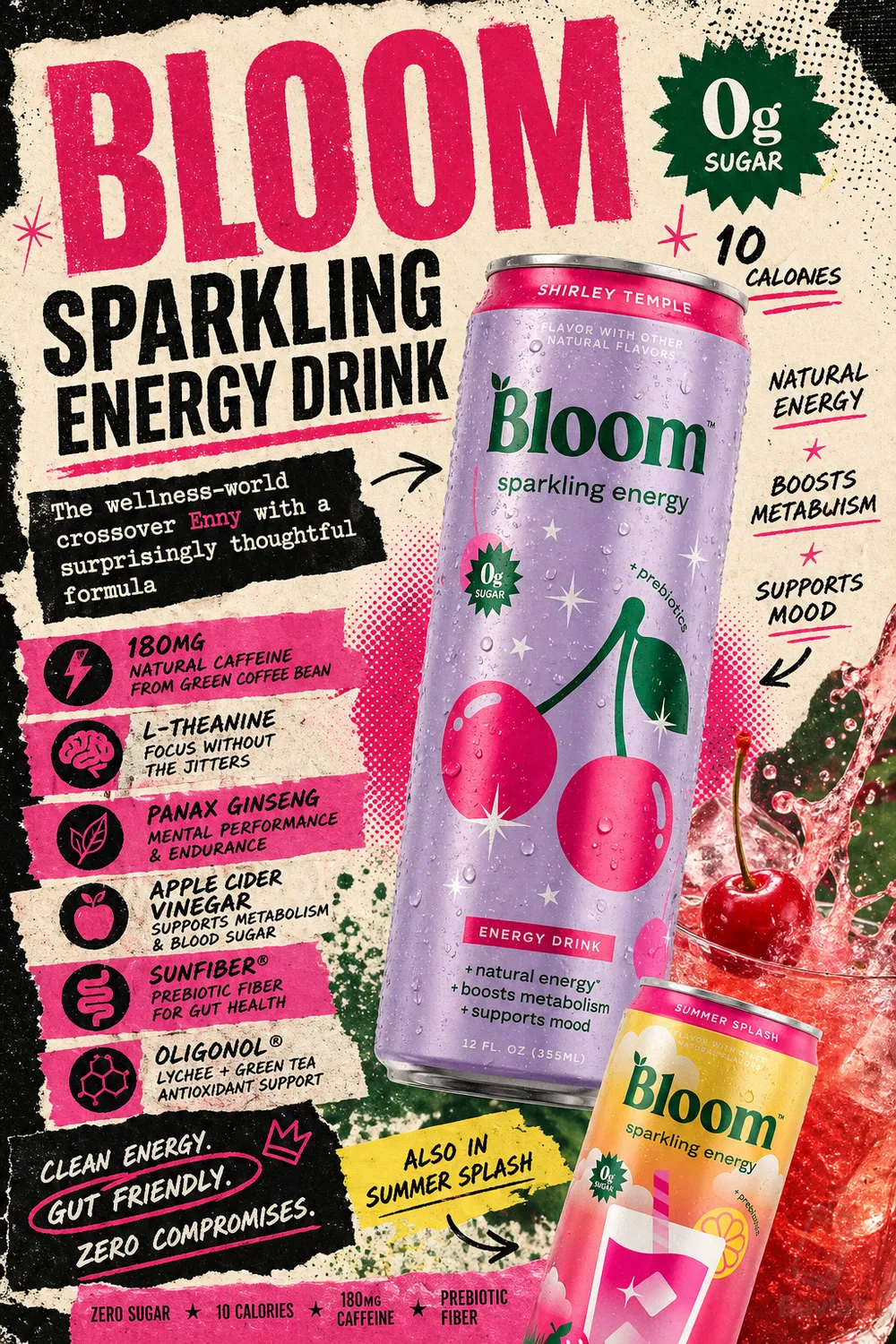
Bloom Sparkling Energy brings 180mg natural caffeine, L-theanine, ginseng, ACV, and an XOS prebiotic to the better-for-you energy category.
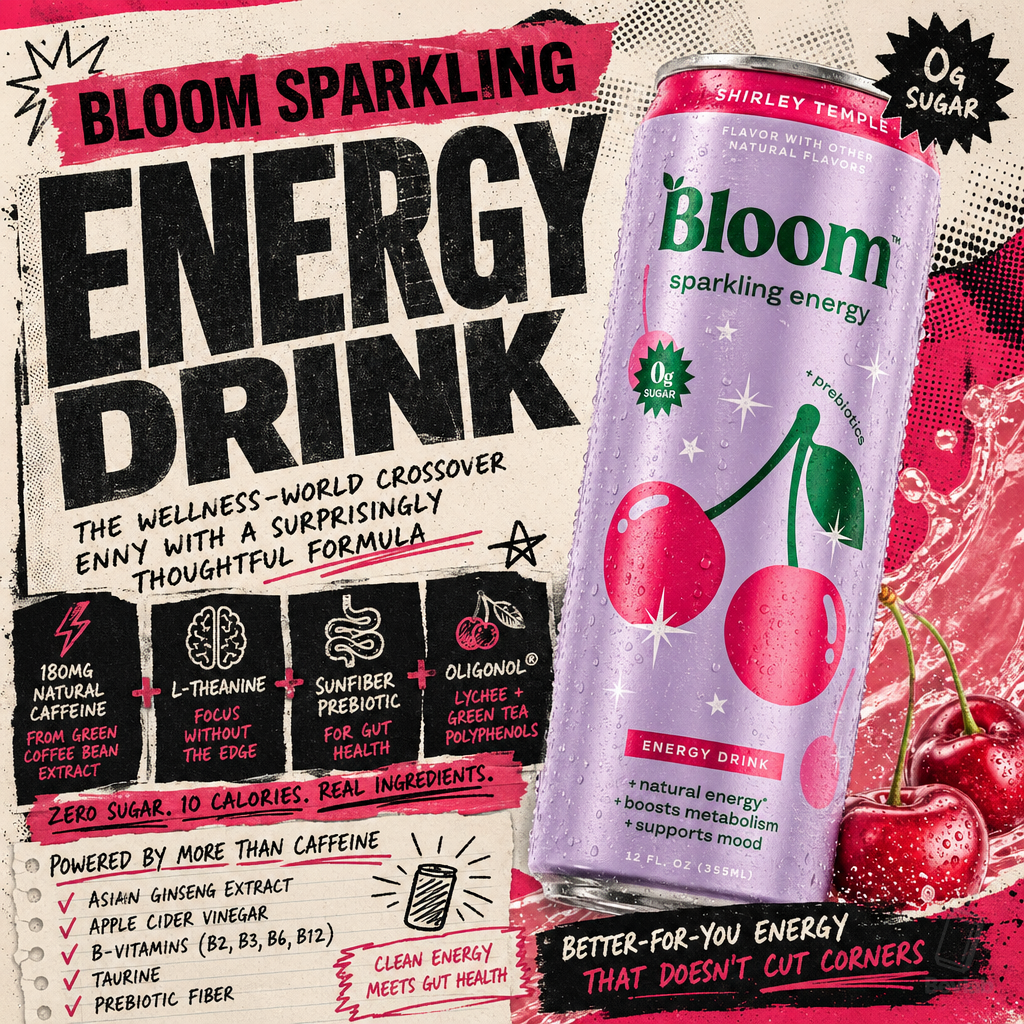
Bloom Nutrition Sparkling Energy is the supplement brand's entry into the ready-to-drink energy category, and it's a more considered formula than most wellness-adjacent launches you'll see.
Founded by Mari Llewellyn after a personal 90-pound weight loss journey, Bloom has built a loyal following around digestive health supplements and protein powders. The Sparkling Energy drink is a natural next step: a zero-sugar, 10-calorie slim can positioned at the intersection of clean energy and gut health, with 180mg of natural caffeine from green coffee bean extract, L-theanine for focus without the edge, and a supporting cast that includes a xylooligosaccharide (XOS) prebiotic, apple cider vinegar, taurine, and ginseng. Manufactured by Nutrabolt (as discussed by CEO Doss Cunningham on PricePlow #222), the company behind C4 Energy, the distribution and production backing is serious. It may be the brand's first beverage, but this isn't a startup playing in cans for the first time.
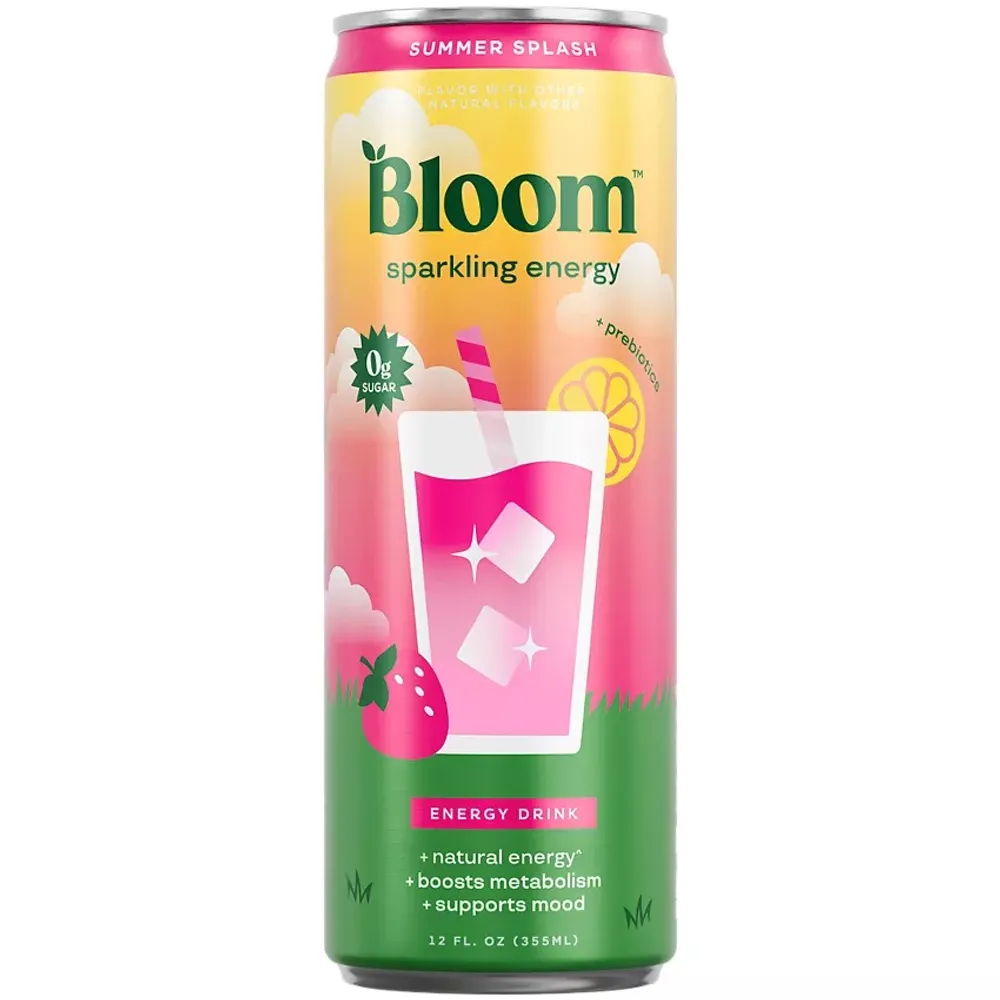
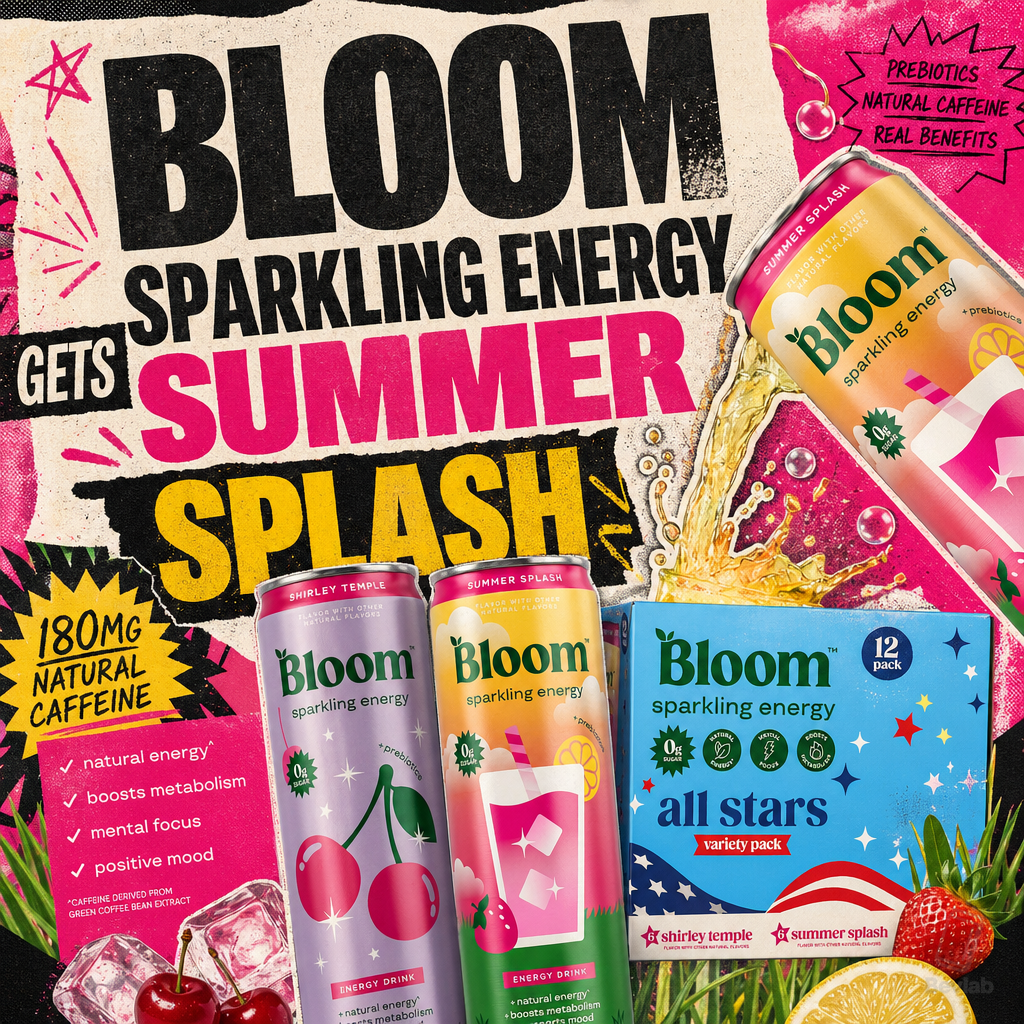
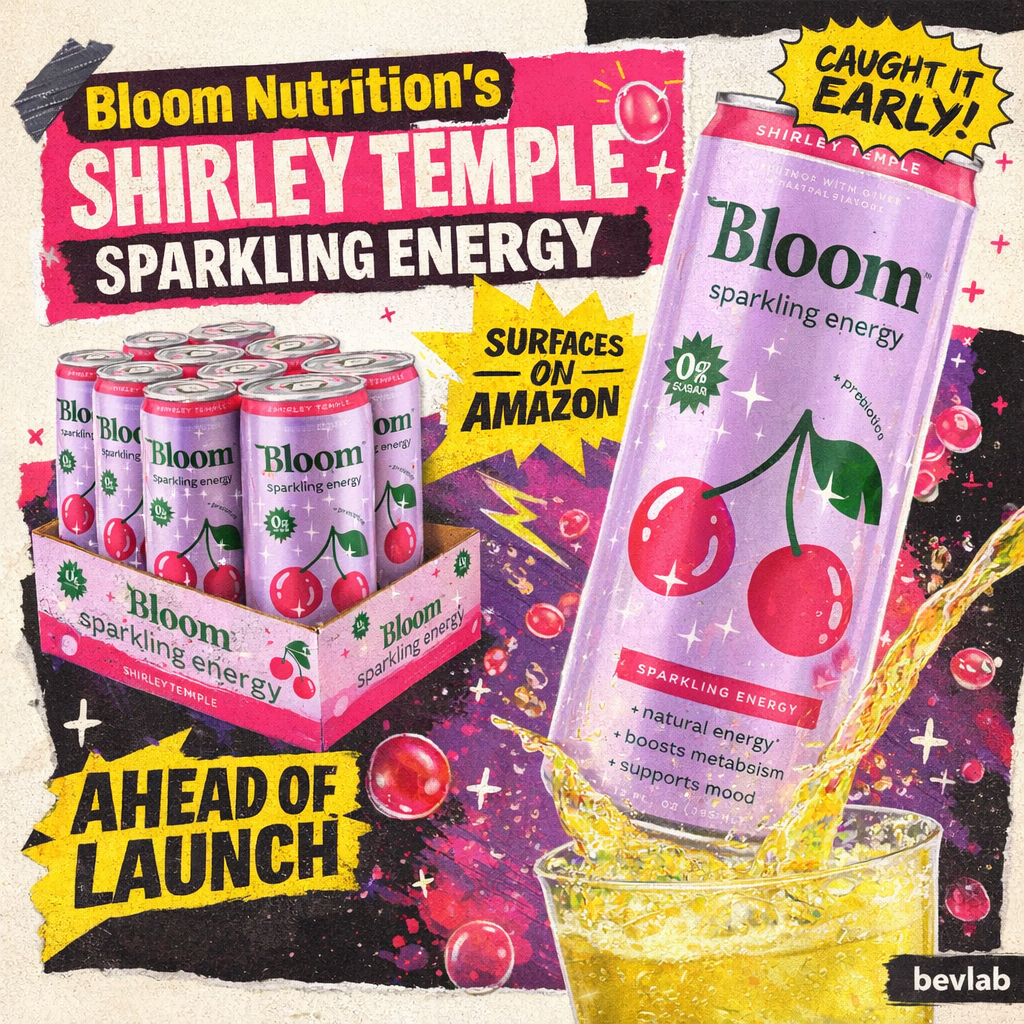
Bloom has also reworked the formula. Earlier cans, like the Shirley Temple and Summer Splash runs we first covered, listed SunFiber prebiotic fiber, Oligonol (a patented lychee and green tea polyphenol), and riboflavin. Current labels, including Strawberry Shortie, Cherry Lime, and Pear Scare, swap SunFiber for XOS and drop Oligonol and riboflavin. The breakdown below follows the current formula.
The Shirley Temple flavor leads with cherry and lemon-lime, leaning into nostalgic appeal. On paper, the formula walks the line between a functional energy drink and something closer to a supplement-grade RTD. Whether the doses back up the positioning is worth a closer look.
Watch Related Videos
Bevlab VideosBloom Sparkling Energy Ingredients
Each 12 fl oz (355mL) can provides the following key actives:
-
Natural Caffeine (from Green Coffee Bean Extract) - 180mg
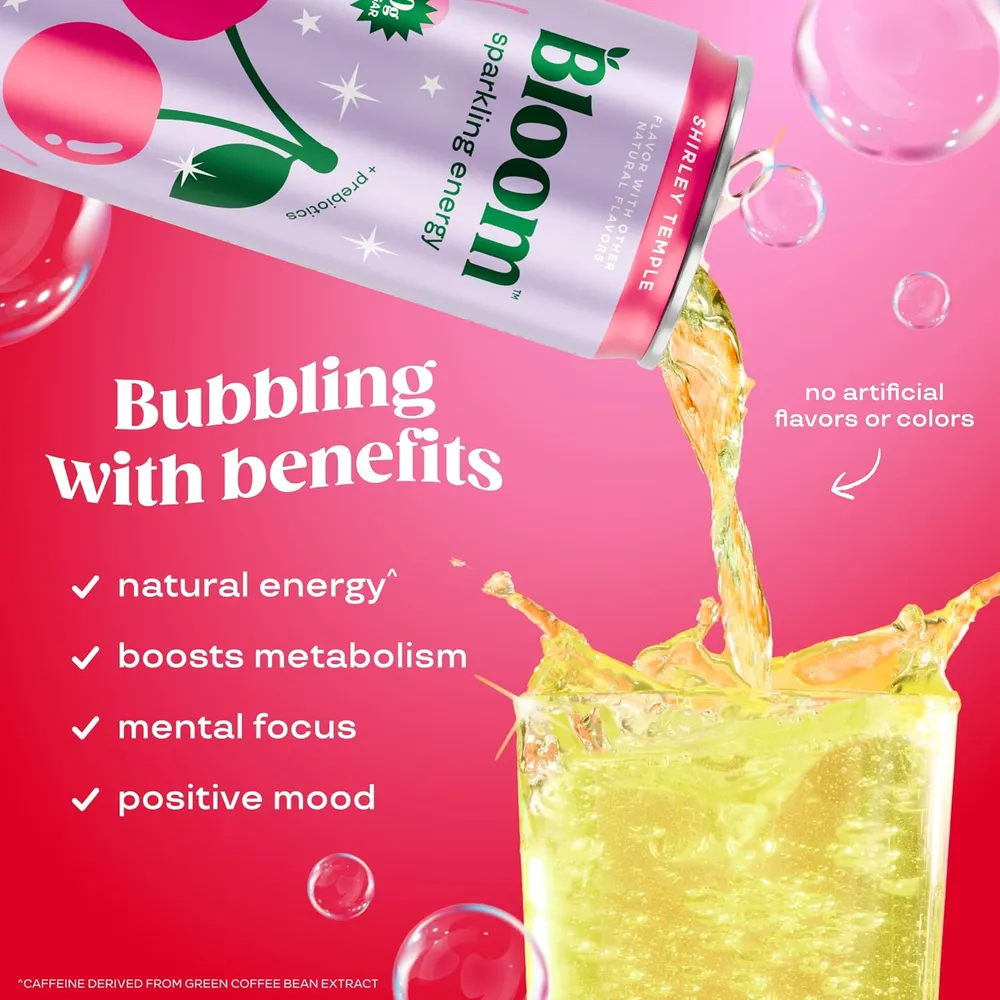
The 180mg caffeine dose from green coffee bean extract puts Bloom in comfortable mid-range territory, meaningfully above the 150mg crowd but well under the 250-300mg cans that can tip into anxiety territory for smaller individuals or caffeine-sensitive drinkers.
Green coffee bean extract is simply unroasted coffee, so the caffeine is functionally equivalent to caffeine anhydrous from a performance standpoint. What matters is the dose. The ISSN has established that 3-6mg/kg body weight is the range where endurance, attention, and mood benefits are most reliably seen.[1] For a 70kg adult, 180mg sits right at the lower end of that window -- enough for real effect, not so much that it becomes the whole conversation. Caffeine works by blocking the signal that makes you feel tired, which frees up dopamine and norepinephrine to do their thing.[2] The result: faster reaction time, better sustained attention, and a noticeable lift in mood. The FDA considers up to 400mg/day safe for healthy adults.[3]
-
L-Theanine
The dose isn't disclosed on the label, which is the main frustration here. L-theanine is the amino acid behind green tea's calm-focus effect, and it pairs with caffeine specifically because the two work better together than either does alone. Theanine promotes the relaxed-focus state that keeps you sharp without feeling wired.[4] Combined with caffeine, it tends to improve attention switching and reduce the jitteriness that caffeine can produce on its own.[5] The research supporting this combination is among the cleaner bodies of evidence in the nootropic space -- a systematic review and meta-analysis found meaningful improvements in alertness and attentional switching when the two are paired.[6]
The effective range in most studies is 100-200mg. If Bloom is hitting that window, the inclusion is meaningful. If it's a cosmetic dose, it's more of a label story than a formula story. Without transparency, you're trusting the brand.
-
Taurine
Taurine is a conditionally essential amino acid that turns up in nearly every energy drink on the market, and for good reason. It plays a real role in muscle contraction, calcium signaling, and antioxidant defense, and the evidence for cardiovascular and recovery benefits continues to grow.[7] A meta-analysis of 20 RCTs found taurine supplementation significantly reduced heart rate and systolic blood pressure while improving cardiovascular function markers.[8] For exercise, a meta-analysis of single-dose taurine supplementation found a small-to-moderate improvement in aerobic endurance performance.[9]
Once again, the dose in Bloom isn't disclosed, which is again a transparency issue. Energy drinks typically run 750-1,000mg per can. If Bloom is in that range, it's contributing something real. If it's a trace amount, it's decorative. The ingredient is genuine; the uncertainty is in the quantity.
-
Panax Ginseng (Asian Ginseng Root Extract)
Ginseng's best evidence in the RTD space centers on cognitive support, particularly working memory and mental fatigue. The ginsenoside content of the extract matters enormously. Standardized extracts at 4% ginsenosides have the strongest human trial backing, while unstandardized powders can contain negligible active compounds.[10] Bloom lists "Asian Ginseng (Panax ginseng) Root Extract" without disclosing standardization or dose, which limits what you can say about efficacy. If the extract is meaningful, though, the mechanism is solid: ginsenosides support the brain signaling behind focus and memory and increase nitric oxide production from vascular endothelium, improving blood flow.[10]
Acute human RCTs using 400mg of standardized P. ginseng have shown improvements in memory tasks and subjective calmness.[11] Paired with caffeine and L-theanine in an energy drink, ginseng makes sense as a third cognitive layer, as long as the dose is solid.
-
Apple Cider Vinegar
ACV is a Bloom brand signature that shows up in their greens and wellness products, so carrying it into the energy drink makes sense. The active mechanism is acetic acid, which slows gastric emptying and mildly inhibits carbohydrate-digesting enzymes, producing a modest blood sugar-blunting effect after meals.[12] A 2025 meta-analysis of 10 RCTs found ACV significantly reduced body weight, BMI, and waist circumference in overweight adults, with the 30mL/day dose showing the most consistent effects.[13] A separate meta-analysis in type 2 diabetes patients found meaningful reductions in fasting blood sugar with doses above 10mL/day.[14]
In a sparkling energy drink, the ACV dose is almost certainly below the therapeutic threshold from those studies. But for Bloom's audience, the inclusion is brand-consistent and adds something beyond pure flavor. It's a better-for-you signal ingredient that has real science behind it at higher doses.
-
Xylooligosaccharides (XOS, as PreticX)
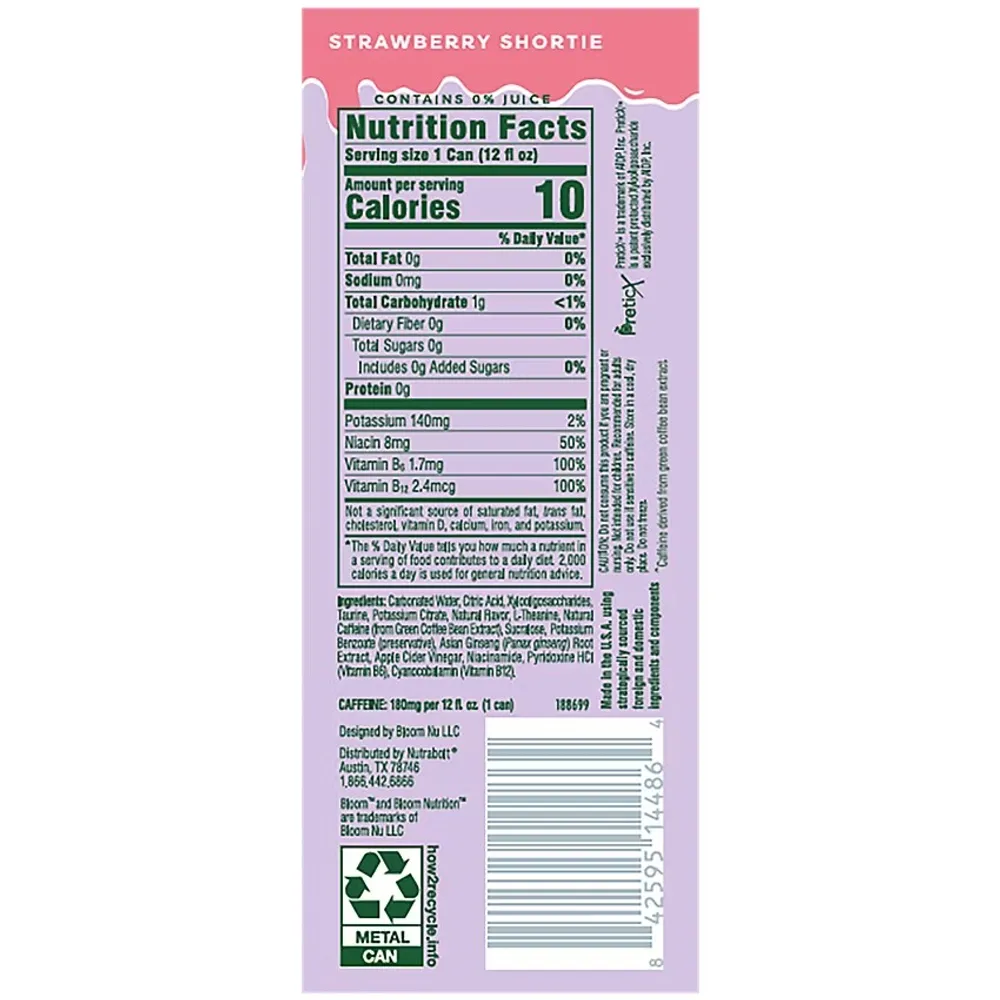
The current formula: Strawberry Shortie's label lists XOS (PreticX), with no SunFiber or Oligonol. Current Bloom Sparkling Energy cans get their prebiotic from xylooligosaccharides (XOS), branded as PreticX. It replaces SunFiber, the partially hydrolyzed guar gum fiber used in earlier cans.
XOS are short chains of xylose that resist digestion in the upper gut and reach the colon, where beneficial bacteria ferment them.[15] A 2025 review of lab, animal, and human research concluded that XOS can selectively shift the gut microbiota and support short-chain fatty acid production.[16] The human data is still thin, but it's encouraging: in a six-week trial, 20 healthy adults ate rice porridge daily with or without added XOS, and the XOS group saw significant increases in Lactobacillus and Bifidobacterium counts and a drop in Clostridium perfringens compared with placebo.[17]
Bloom doesn't disclose the XOS dose, and the Nutrition Facts panel shows 0g dietary fiber, so think of it as a small prebiotic nudge rather than a fiber source. It still fits the brand's gut-health positioning, and if you're already drinking an energy drink, getting some prebiotic in the same can isn't nothing.
-
B-Vitamins
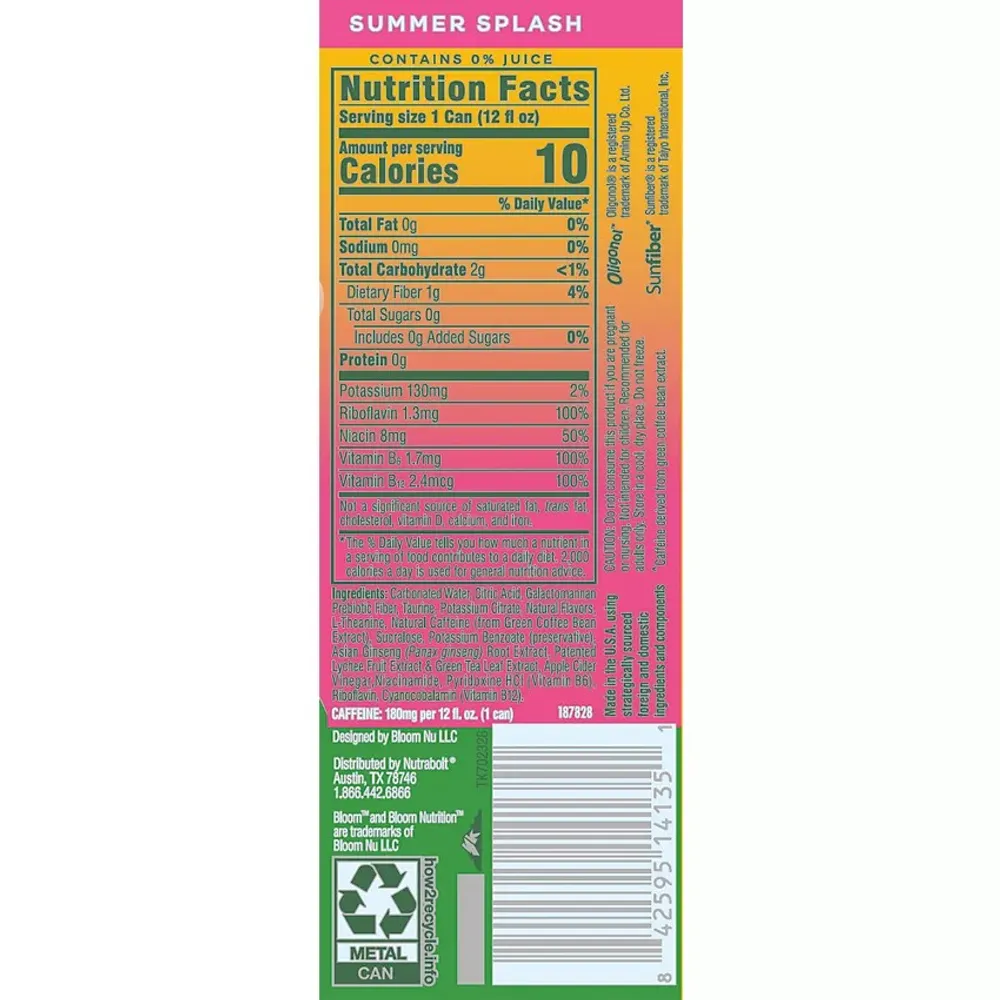
Summer Splash's panel, from the earlier formula with SunFiber, Oligonol, and riboflavin. -
Niacin (as Niacinamide) - 8mg (50% DV)
Niacinamide is the non-flushing form of Vitamin B3. At 8mg (half the adult RDA), it contributes to NAD+ synthesis and energy metabolism without any risk of the skin flushing that nicotinic acid can cause at higher doses. It's a clean, well-tolerated B-vitamin at a sensible dose.
-
Vitamin B6 (as Pyridoxine HCl) - 1.7mg (100% DV)
Pyridoxine at 1.7mg hits 100% DV and supports neurotransmitter production, including dopamine, serotonin, and GABA, making it relevant from an energy-and-focus standpoint. It's also required for amino acid processing and homocysteine metabolism. Standard and appropriate.
-
Vitamin B12 (as Cyanocobalamin) - 2.4mcg (100% DV)
Cyanocobalamin at 2.4mcg is the standard RDA dose. B12 supports red blood cell formation, myelin maintenance, and energy metabolism. Cyanocobalamin is the most stable form and commonly used in beverages. At the RDA, it's a nutritional top-up rather than a therapeutic dose, but it belongs in an energy drink formula.
-
-
Other Ingredients
- Carbonated Water - The base. CO2 dissolved under pressure creates the effervescence and mild tartness that define a sparkling beverage. Research has found that carbonated water post-exercise can transiently improve blood pressure and mood compared to still water.[18]
- Citric Acid - Primary acidulant and flavor brightener. Keeps the pH stable, amplifies the tartness in the Shirley Temple flavor profile, and extends shelf life by chelating pro-oxidative metal ions.
- Natural Flavors - Bloom claims no artificial flavors anywhere in the lineup. Natural flavor complexes are FDA-defined as substances derived from plant or animal sources where the primary function is to contribute flavor.
- Potassium Benzoate - A preservative that prevents microbial growth in the acidic beverage environment, extending shelf stability. Standard and approved for beverage use.
- Sucralose - The zero-calorie sweetener keeping sugar at 0g. Sucralose is approximately 600 times sweeter than sugar and heat-stable. It's the most common high-intensity sweetener in zero-sugar energy drinks. Recent research has shown some individual variability in glycemic and microbiome responses,[19] though it remains broadly approved and widely used at beverage concentrations.
- Potassium Citrate - Serves as a buffering agent alongside citric acid, smoothing out the tartness and stabilizing the flavor profile across the shelf life of the product. Some earlier cans, like Shirley Temple, used sodium citrate instead, which is why newer panels like Strawberry Shortie show 0mg sodium and 140mg potassium.
Flavors Available
- Cherry Lime (12 Cans: $24.99)
- Crisp Apple (12 Cans: $24.99)
- Glacier Crush (12 Cans: $24.99)
- Juicy Orange (12 Cans: $19.99)
- Peach Mango (12 Cans: $24.99)
- Pear Scare (12 Cans: $27.99)
- Raspberry Lemon (12 Cans: $24.99)
- Shirley Temple (12 Cans: $32.49)
- Strawberry Shortie (12 Cans: $27.99)
- Strawberry Watermelon (12 Cans: $19.99)
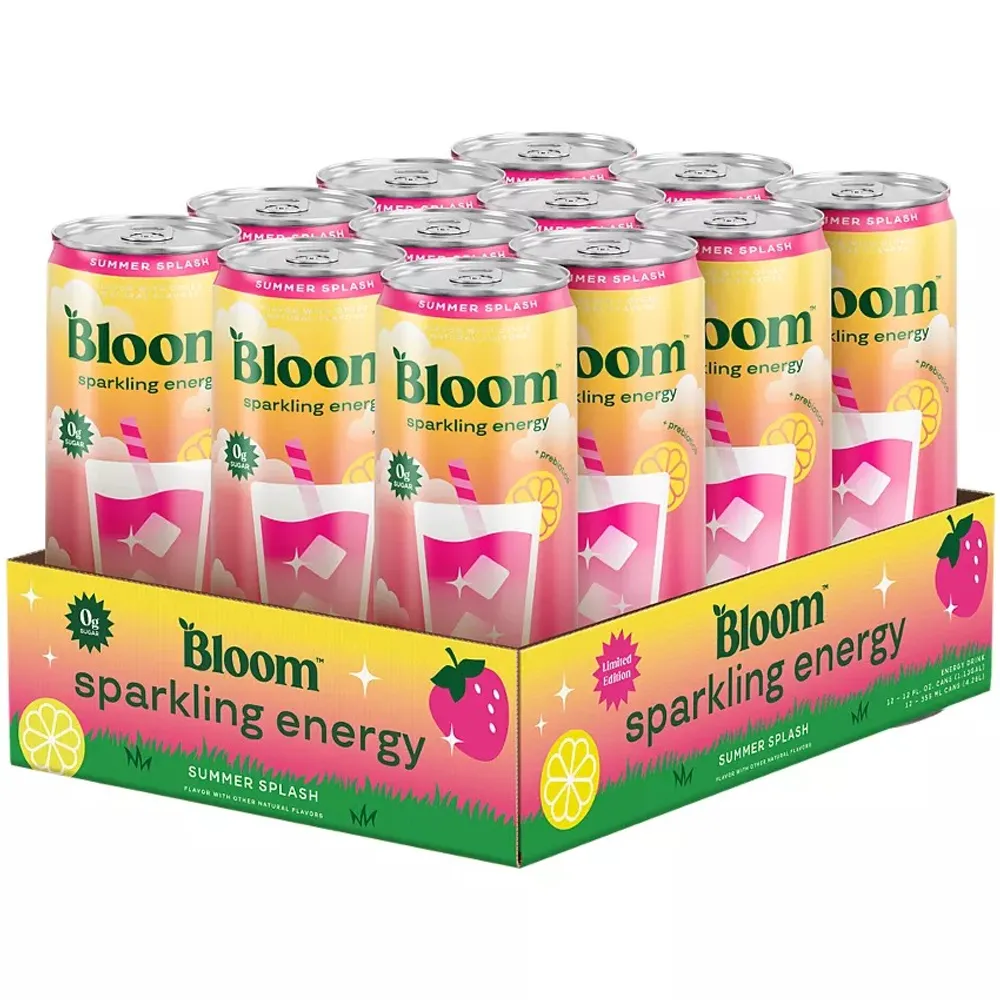
- Summer Splash (12 Cans: $27.99)
- Variety Pack (12 Cans: $19.99)
- Variety Pack-mini (7.5oz.) (12 Cans: $17.98)
Who It's For
- Wellness-oriented energy drinkers: If you're already buying Bloom greens or protein, this is a natural extension of the ecosystem: same brand values, same better-for-you positioning, now in a caffeinated can you can drink in the afternoon without guilt.
- Gut-health-conscious consumers: The XOS prebiotic and ACV inclusions are real ingredients backed by real research, even if the doses are modest. If gut health is already part of your daily routine, Bloom Sparkling Energy adds something to the energy category that most cans don't.
The Verdict on Bloom Sparkling Energy
Bloom Sparkling Energy is a better formula than the aesthetic-first packaging might lead you to expect. The 180mg natural caffeine and L-theanine combination is the real foundation (and well-evidenced pairing for clean, focused energy), while the XOS prebiotic and ACV inclusions show genuine intention rather than label decoration. It's worth knowing, though, that Bloom quietly dropped Oligonol, one of the more unusual extras in the original cans.
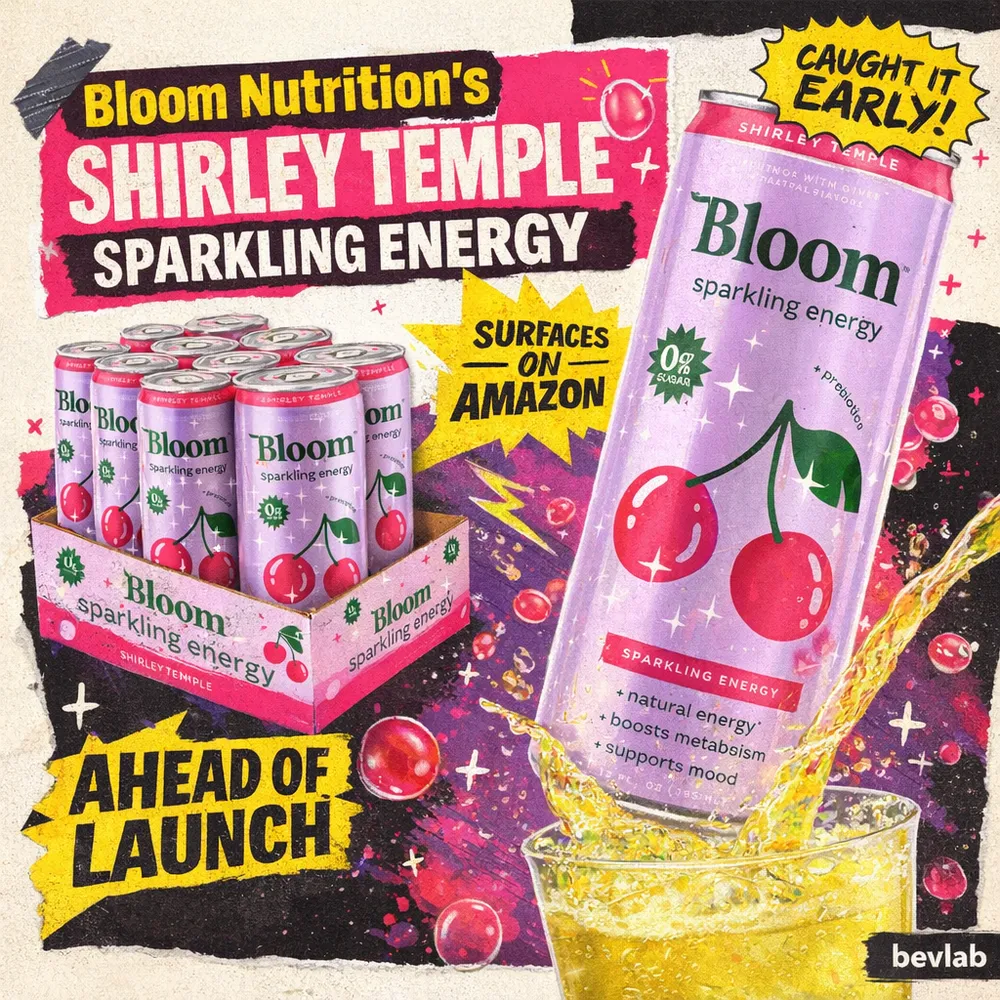
The main knock is transparency: taurine, L-theanine, ginseng, and XOS doses are unlisted, so you're trusting Bloom to have hit meaningful numbers rather than cosmetic ones. If the brand's gut-health credibility matters to you and you want an energy drink that does more than deliver caffeine, this can earns consideration. If you're chasing energy performance and want to know exactly what's in every milligram, you'll find more transparent options in the category.
Follow @BevlabMedia on TikTok and Instagram for more formula breakdowns as new drops hit.
More Related Videos
Bevlab VideosReferences
- Guest, Nanci S. et al. "Guest 2021 International Society Of Sports Nutrition Position Stand Caffeine And Exercise Performance." Journal of the International Society of Sports Nutrition, 2021. https://doi.org/10.1186/s12970-020-00383-4
- McLellan, Tom M. et al. "Mclellan2016 A Review Of Caffeine S Effects On Cognitive Physical And Occupational Performance." Neuroscience & Biobehavioral Reviews, 2016. https://doi.org/10.1016/j.neubiorev.2016.09.001
- Wikoff, Daniele, et al. "Systematic review of the potential adverse effects of caffeine consumption in healthy adults, pregnant women, adolescents, and children." Food and chemical toxicology : an international journal published for the British Industrial Biological Research Association, 2017. https://doi.org/10.1016/j.fct.2017.04.002
- Juneja, L. "Juneja1999 L Theanine A Unique Amino Acid Of Green Tea And Its Relaxation Effect In Humans." Trends in Food Science & Technology, 1999. https://doi.org/10.1016/s0924-2244(99)00044-8
- Haskell, Crystal F, et al. "Haskell2008 The Effects Of L Theanine Caffeine And Their Combination On Cognition And Mood." Biological psychology, 2008. https://doi.org/10.1016/j.biopsycho.2007.09.008
- Camfield, David A, et al. "Acute effects of tea constituents L-theanine, caffeine, and epigallocatechin gallate on cognitive function and mood: a systematic review and meta-analysis." Nutrition reviews, 2014. https://doi.org/10.1111/nure.12120
- Kurtz, Jennifer A, et al. "Taurine in sports and exercise." Journal of the International Society of Sports Nutrition, 2021. https://doi.org/10.1186/s12970-021-00438-0
- Tzang, Chih-Chen, et al. "Insights into the cardiovascular benefits of taurine: a systematic review and meta-analysis." Nutrition journal, 2024. https://doi.org/10.1186/s12937-024-00995-5
- Deng, Hengzhi, et al. "Does One Shot Work? The Acute Impact of a Single Taurine Dose on Exercise Performance: A Meta-Analytic Review." Scandinavian journal of medicine & science in sports, 2025. https://doi.org/10.1111/sms.70123
- Kennedy, David O, et al. "Kennedy2003 Ginseng Potential For The Enhancement Of Cognitive Performance And Mood." Pharmacology, biochemistry, and behavior, 2003. https://doi.org/10.1016/S0091-3057(03)00126-6
- Reay, Jonathon L, et al. "Reay2010 Panax Ginseng G115 Improves Aspects Of Working Memory Performance And Subjective Ratings Of Calmness In Healthy Young Adults." Human psychopharmacology, 2010. https://doi.org/10.1002/hup.1138
- Petsiou, Eleni I, et al. "Effect and mechanisms of action of vinegar on glucose metabolism, lipid profile, and body weight." Nutrition reviews, 2014. https://doi.org/10.1111/nure.12125
- Castagna, Alberto, et al. "Effect of Apple Cider Vinegar Intake on Body Composition in Humans with Type 2 Diabetes and/or Overweight: A Systematic Review and Meta-Analysis of Randomized Controlled Trials." Nutrients, 2025. https://doi.org/10.3390/nu17183000
- Arjmandfard, Donya, et al. "Effects of apple cider vinegar on glycemic control and insulin sensitivity in patients with type 2 diabetes: A GRADE-assessed systematic review and dose-response meta-analysis of controlled clinical trials." Frontiers in nutrition, 2025. https://doi.org/10.3389/fnut.2025.1528383
- Divyashri, G, et al. "The Potential of Xylooligosaccharides as Prebiotics and Their Sustainable Production: A Review." Foods, 2023. https://doi.org/10.3390/foods12142681
- Nogueira-Prieto, Natalia-Maria, et al. "A review of the capacity of xylooligosaccharides to modulate gut microbiota and promote health." Food & Function, 2025. https://doi.org/10.1039/D5FO00169B
- Lin, Shyh-Hsiang, et al. "Prebiotic Effects of Xylooligosaccharides on the Improvement of Microbiota Balance in Human Subjects." Gastroenterology Research and Practice, 2016. https://doi.org/10.1155/2016/5789232
- Kajiki, Masanobu, et al. "Ingesting carbonated water post-exercise in the heat transiently ameliorates hypotension and enhances mood state." Experimental physiology, 2024. https://doi.org/10.1113/EP091925
- Suez, Jotham, et al. "Personalized microbiome-driven effects of non-nutritive sweeteners on human glucose tolerance." Cell, 2022. https://doi.org/10.1016/j.cell.2022.07.016
Related Coverage
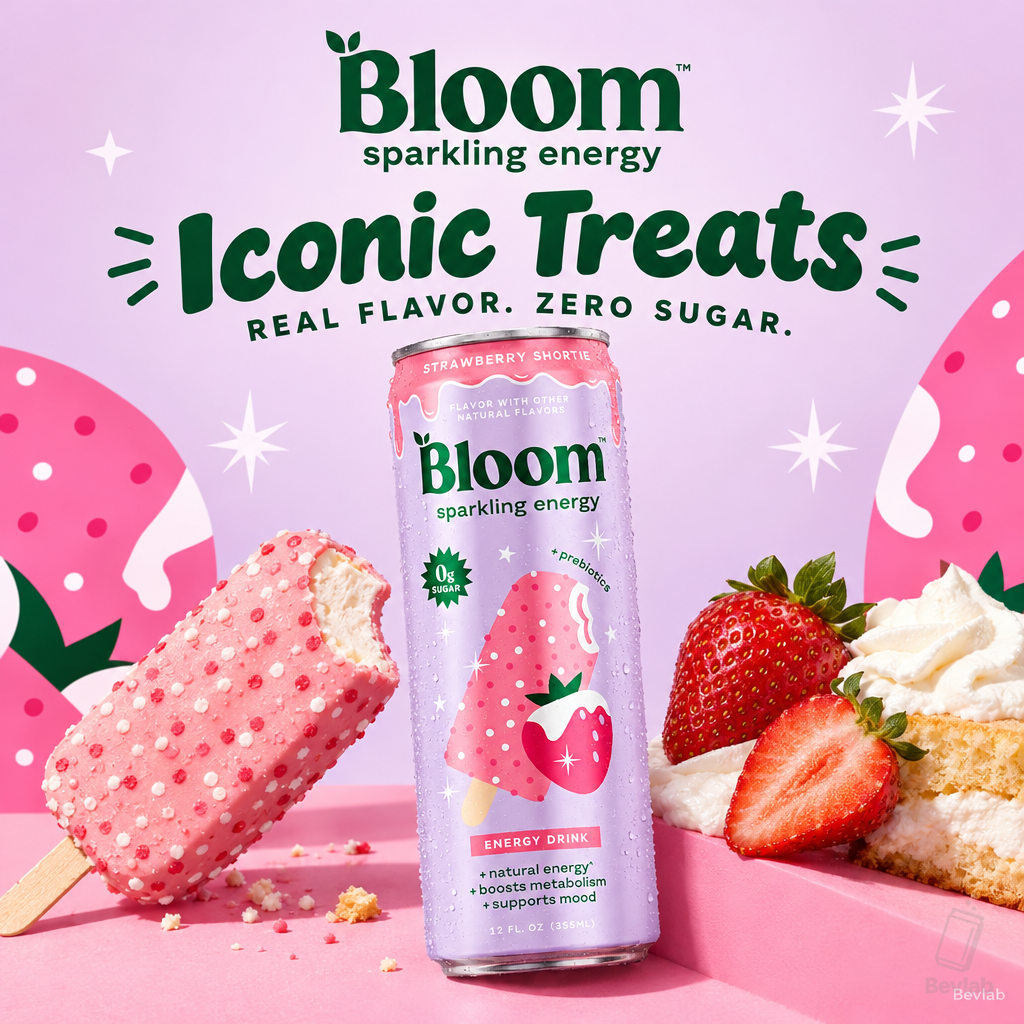
Bloom Iconic Treats Kick Off With Strawberry Shortie Energy
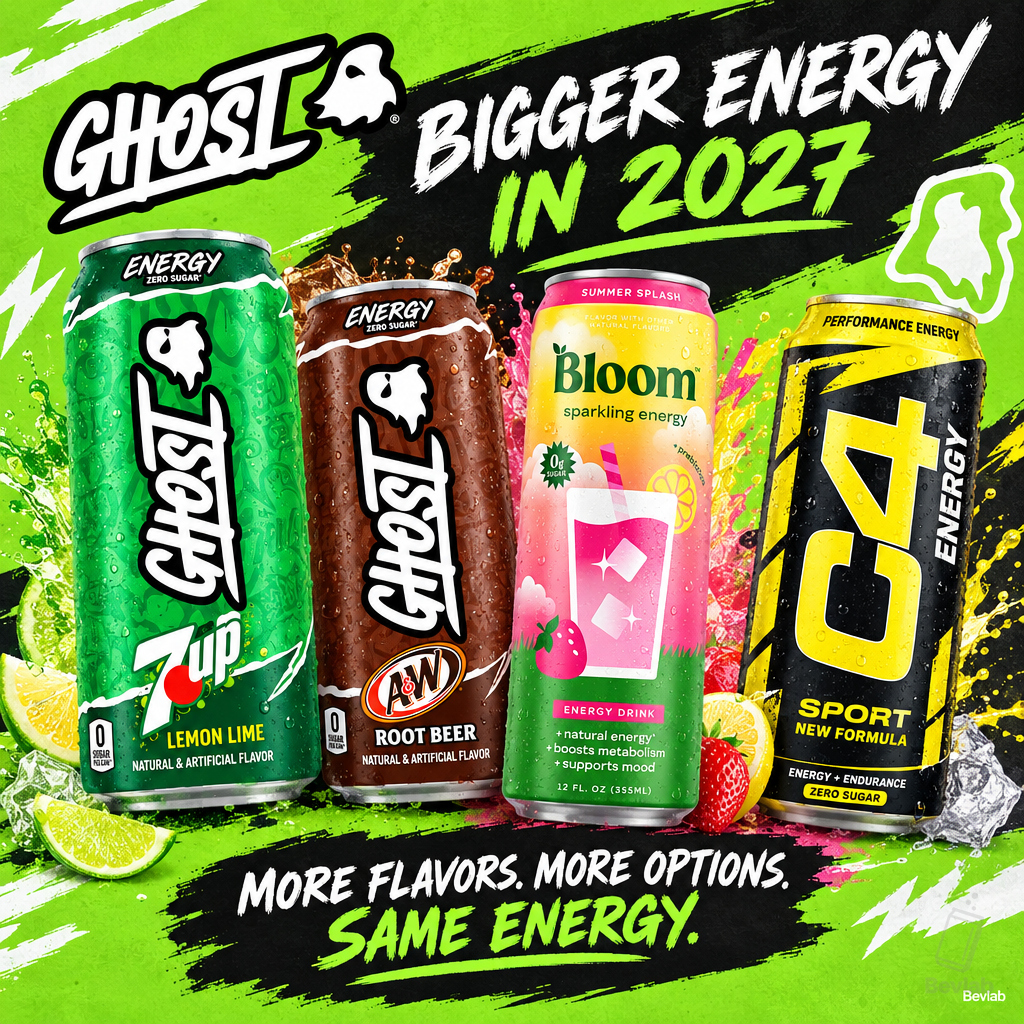
KDP's 2027 Energy Slate: GHOST 7UP Stays, C4 Cocoa Loco, New Bloom
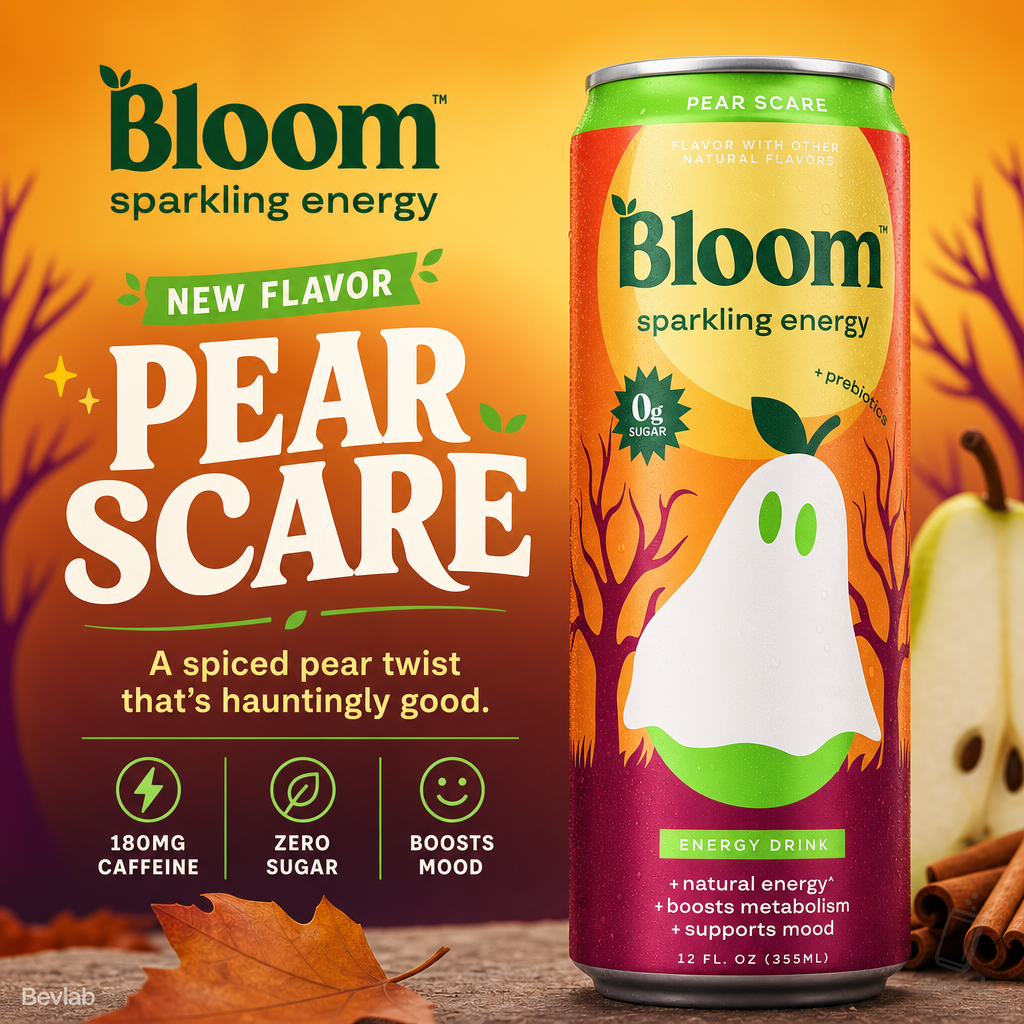
Bloom Sparkling Energy Gets a Pear Scare... But Without Oligonol
Bloom Sparkling Energy Gets Summer Splash
Bloom Nutrition's Shirley Temple Sparkling Energy Surfaces on Amazon Ahead of Launch
Tagged